A Location Steeped in History
A City Stadtmarken in the Heart of Aachen
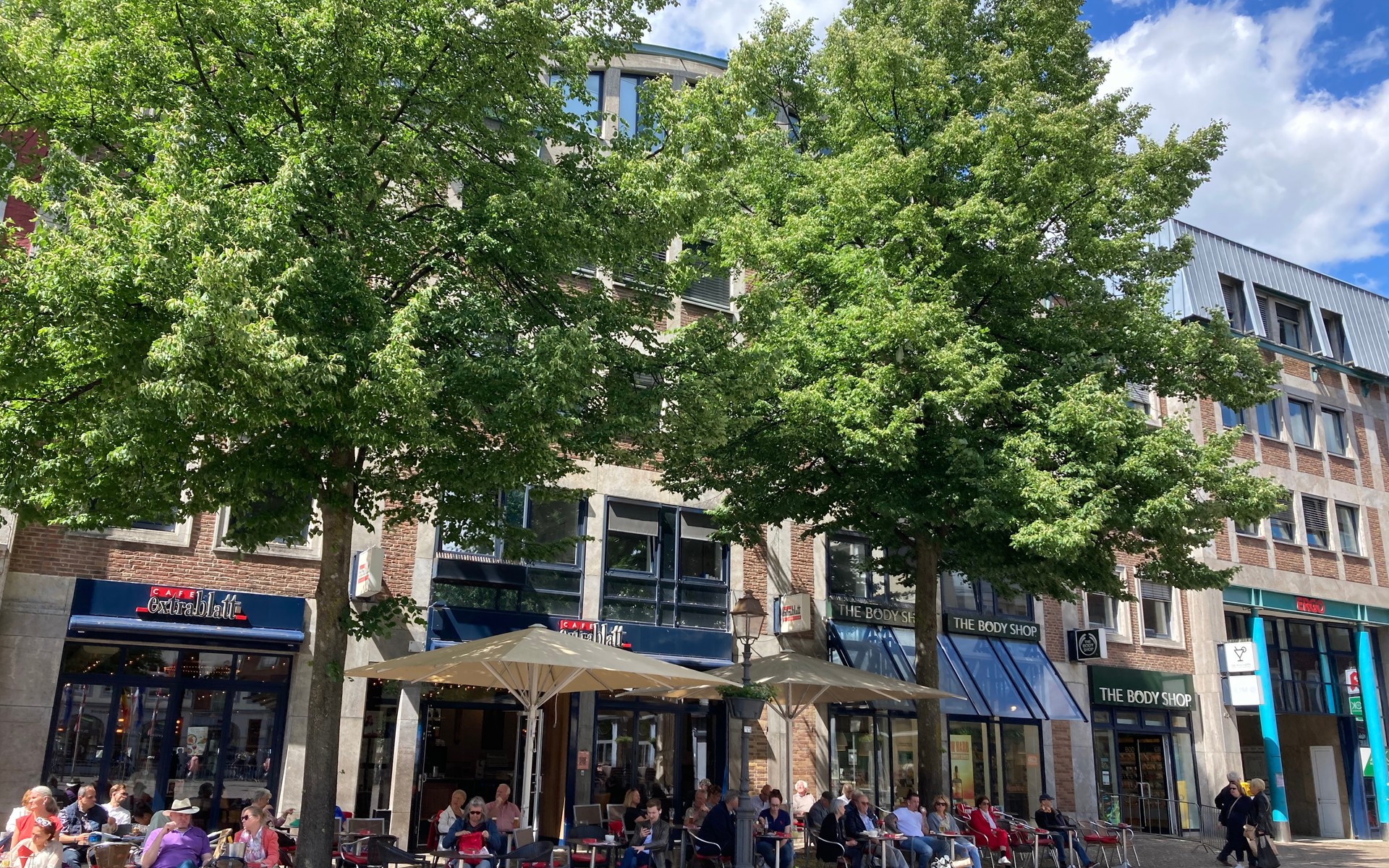
The Karlshof in its current form was built in 1968. It was intended to breathe new life into the market district following the demolition of the department store that previously stood here and to become a gathering place in the Old Town that would restore the appeal of the market and its immediate surroundings.
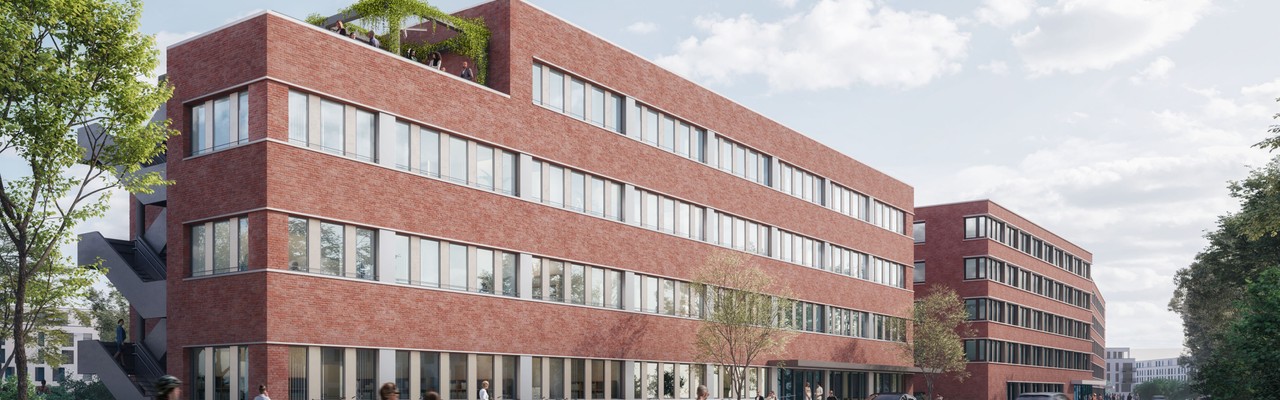
While the Karlshof is no longer a new building, we are convinced that it still has the potential to fulfill this purpose. That is why we are working to modernize the building, to restore it to what it was meant to be: a gathering place with dining options for all Aachen residents, a business hub with modern office and commercial spaces—and a Stadtmarke for Aachen.
What the Karlshof Offers
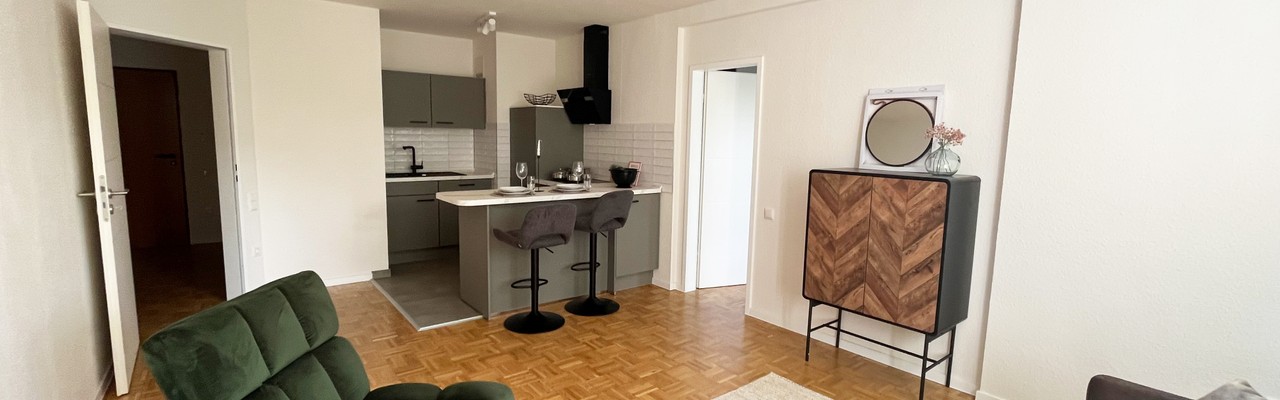
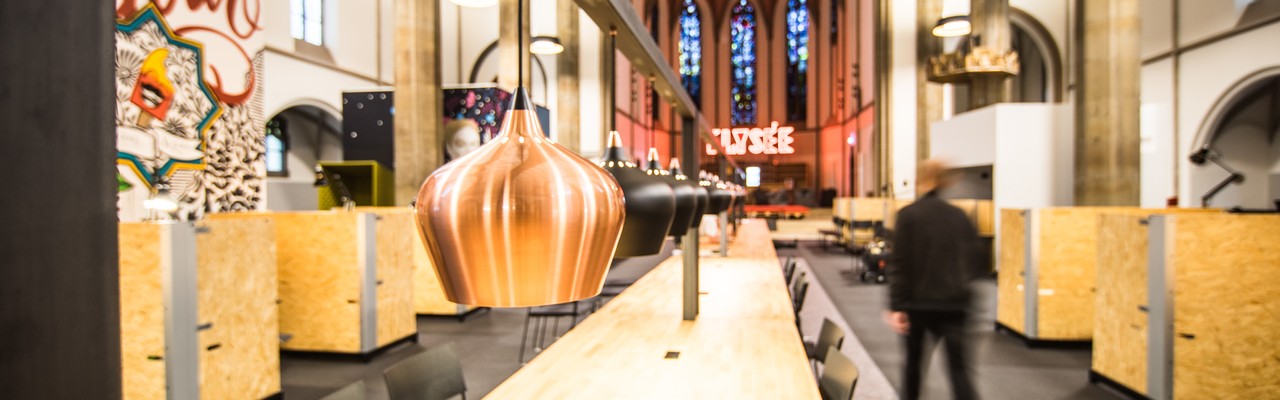
In addition to its fantastic location, the Karlshof offers office spaces that promote modern, community-driven work. The building is managed by the experienced team at The Urban Village GmbH, which has already written the success story of the technology center at Europaplatz!
To meet the needs of our tenants, we offer a variety of flexible leasing models. Get in touch with us!
A Location with a Vibrant History
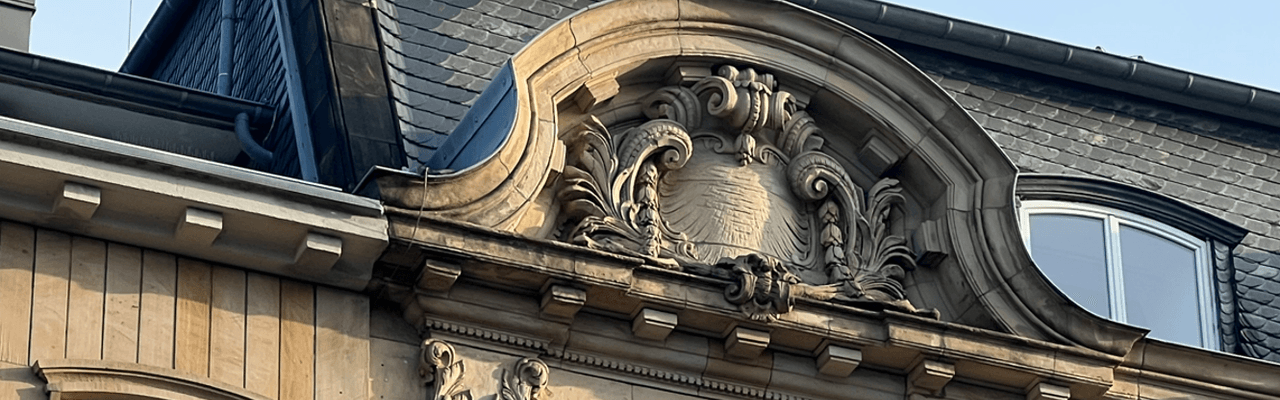
In 1906, the Cologne merchant Leonhard Tietz opened what was then the city’s largest department store here in a magnificent building, the design of which the young Ludwig Mies had also helped create. Although there was resistance to the new type of department stores in general and to Jewish-owned businesses in particular, the changes brought about by the “Tietze Lejjenad” with its new concept could not be stopped. The department stores offered their goods at fixed prices, attracted customers with a wide selection, and allowed them to stroll and browse without feeling pressured to buy. In addition, new training opportunities emerged that were particularly appealing to women. These factors had a lasting impact on the shopping habits of Aachen’s residents.
The Tietz department store was correspondingly successful, but was forced to lay off staff for the first time during the Great Depression. After the National Socialist movement came to power in 1933, Jewish businesses and stores were boycotted—that same year, Tietz was expropriated, and the company was renamed Westdeutsche Kaufhof AG as part of the “Aryanization” process. In 1945, Kaufhof moved to Adalbertstraße.
The building sustained only minor damage during the war; nevertheless, it was demolished in 1965 to make way for today’s Karlshof, which was built in 1968. The demolition of the former department store building was widely lamented. Officially, however, the new building was praised as one that blends stylistically with its surroundings while still introducing new elements.